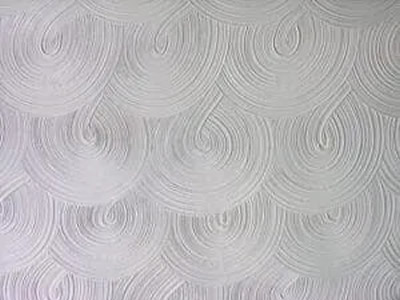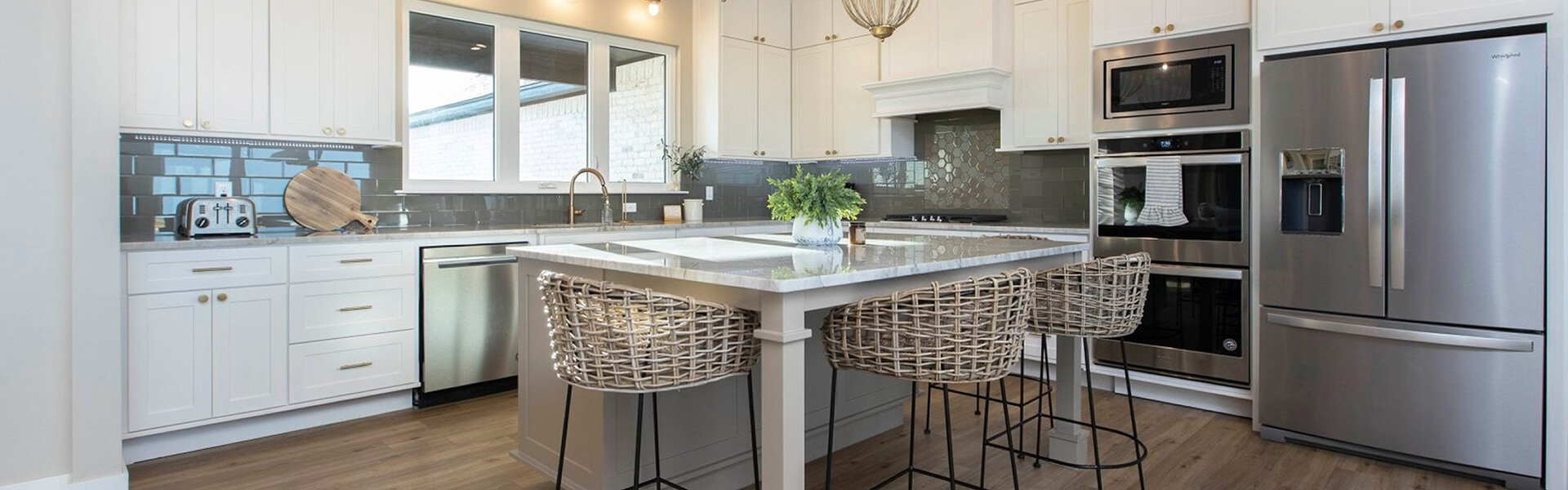
When designing the basic fundamentals of a room are considered, textures are a very important detail. Not only where furniture, artwork, and rugs are concerned, but on the very walls of the space. Picking texture that promises a sense of cohesiveness in style and ambiance can be a trying task, but it doesn’t have to be. In order to achieve a seamless flow in design, there are many architectural and thematic elements to consider.
Before making any decisions, it’s important to have a clear vision of the finished space. Without first understanding the end goal, it is difficult to make any decisions in regards to what would best compliment the space. In order to do this, take notice of colors and themes in your current collection of pieces. Once you have a clear understanding of your taste, you can further examine which textures would best compliment your space.
It is necessary to have a general understanding of the different textures available to you in order to assess which texture best fits your desired aesthetic. Drywall texture can greatly impact the feel of a room, which is why it’s important to be strategic with how you pair it with trim and paint colors. Some textures have notable sweeping peaks and deep crevices, while others may be thin with little imprint.
The Different Types of Texture
There is a variety of options available to you that vary in style, theme, and aesthetic. While many places have textures that are specific to their region and culture, they can be easily implemented no matter where you’re located. Here are a few of the most commonly used textures.
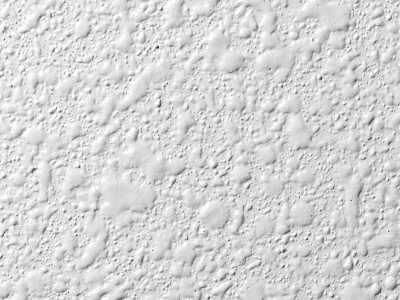
Orange Peel Texture
This drywall finish acquired its name due to its obvious resemblance to an orange peel. This design choice is often accompanied with more Spanish or Southwest designs, but is a long-lasting and eye-catching technique.
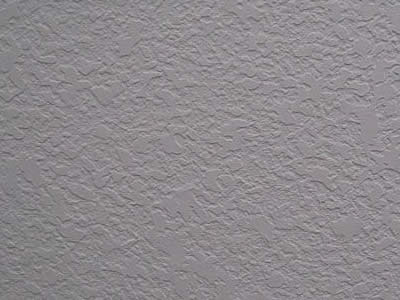
Machine Brocade Texture
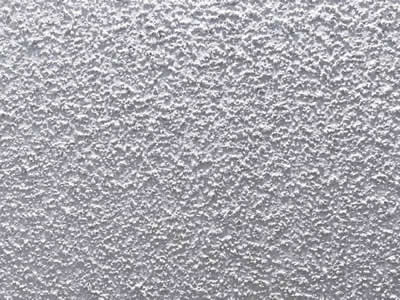
Popcorn Texture
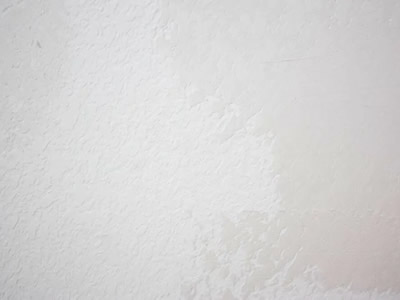
Smooth Wall